Sustainable Solutions: Skilled Environmental Support for Your Business
Sustainable solutions function as a crucial component in today's business terrain. Specialized sustainability advisory gives businesses the opportunity to boost efficiency while curtailing their ecological footprint. Through handling sustainability concerns and legal requirements, consultants lead organizations in the direction of sustainable practices. This evolution aids not only the environment but also resonates with the values of eco-conscious customers. The journey to becoming sustainable, yet, is multifaceted and demands thoughtful evaluation of multiple factors. What measures can organizations consider to spark this change?
Grasping Environmental Professional Services and Its Positive Outcomes
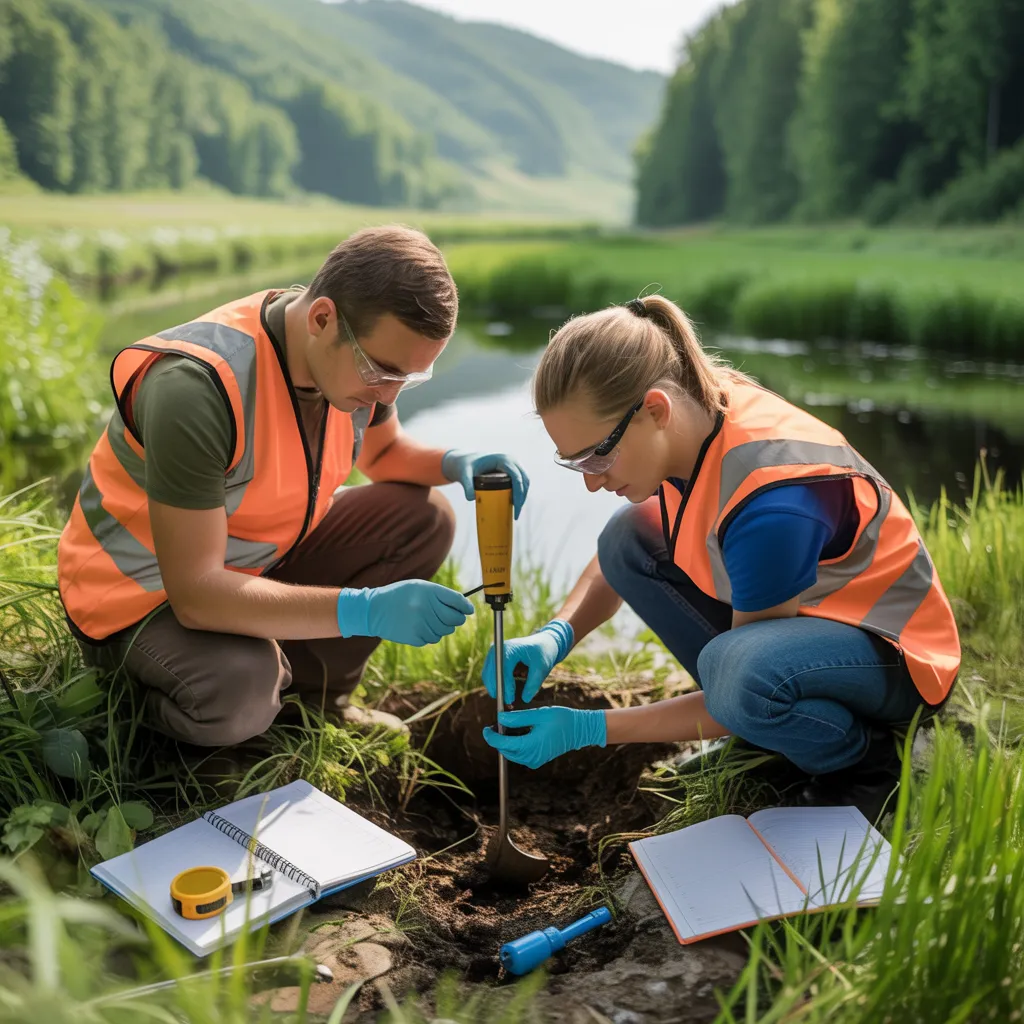
Grasping sustainable business consulting is important for enterprises working toward putting into place green operational methods. This domain encompasses expert consultation on environmental regulations, eco-conscious business plans, and resource management. Environmental consultants review a company's activities to discover areas needing enhancement, confirming compliance with ecological standards and decreasing environmental footprint.
The advantages of engaging environmental consultants are substantial. They provide customized solutions that enhance operational efficiency, reduce waste, and decrease costs linked to resource consumption. By assessing potential environmental hazards, consultants help businesses address liabilities and enhance public perception. Additionally, the incorporation of sustainable practices often results in new ideas and competitive edge in the marketplace.
Throughout the longer term, collaborating with environmental consultants fosters a culture of sustainability within organizations, promoting employees to adopt environmentally responsible behaviors. Through their expertise, businesses not only advance environmental stewardship but also distinguish themselves as leaders in corporate accountability, resonating with increasingly eco-conscious consumers.
Assessing Your Carbon Footprint
Assessing a business's ecological impact involves identifying key impact areas and evaluating resource consumption rates. By analyzing these factors, companies can determine where changes are required. This process not only fosters environmental stewardship but also enhances workplace productivity.
Recognizing Key Consequence Domains
Many businesses ignore the essential significance of recognizing key focal points when assessing their environmental footprint. By determining specific aspects of their operations that begin here contribute to environmental degradation, organizations can create targeted strategies for improvement. These key zones often encompass power usage, waste production, water use, and emissions. Comprehending these factors allows businesses to prioritize actions that yield the most substantial ecological advantages. In addition, engaging stakeholders in this recognition procedure fosters a sustainable culture within the entity. By recognizing and addressing these key impact areas, businesses place themselves to enhance their overall sustainability, lower expenses, and meet regulatory requirements. This proactive approach ultimately supports long-term ecological and economic viability.
Measuring Resource Usage Rates
Once key impact areas are identified, the next step includes measuring usage levels to assess the company's ecological impact. This process demands an systematic approach to collect information on power, liquid, and material consumption across all activities. Utilizing tools such as power assessments, water assessments, and material tracking analysis can offer understanding into usage trends. Companies should also consider establishing benchmarks to measure against sector benchmarks or past performance. By examining these metrics, enterprises can pinpoint waste areas and chances to decrease usage. Precise tracking not only helps in adherence with environmental regulations but also enhances corporate sustainability strategies. This data-driven approach is essential for making informed decisions that support lasting ecological objectives.
Main Areas for Green Enterprise Practices
Likewise, businesses can channel resources into alternative energy solutions, such as solar or wind, to lessen reliance on fossil fuels. Employee involvement in environmental programs nurtures a sense of accountability, motivating innovation and commitment toward sustainable methods. Ultimately, transparent communication on sustainability goals and progress strengthens confidence from stakeholders and conveys accountability. Through integrating these primary domains, corporations support environmental preservation and secure their role as leaders in corporate responsibility, captivating increasingly nature-conscious consumers.
Finding the Ideal Eco Specialist for You
Determining an environmental consultant calls for a definite knowledge of a operation's distinct aims and purposes. Reviewing these requirements facilitates entities to coordinate with specialists who exhibit the relevant expertise and experience. This systematic approach guarantees that businesses make informed choices for eco-conscious practices.
Determining Your Business Needs
When enterprises value the criticality of green practices, they often grapple with the obstacle of identifying the right environmental consultant to meet their specific needs. This journey launches with a meticulous assessment of the organization's environmental goals, regulatory requirements, and existing practices. Companies should factor in their market segment, extent of operations, and unique difficulties, like waste management or energy efficiency. Engaging various stakeholders within the business can supply critical perspectives into the priorities and expectations of the professional advisory. Additionally, it is vital to delineate the scope of services sought, including but not limited to regulatory adherence, tactical planning, or training. By specifically stating these needs, enterprises can accelerate the selection process and assure a more productive collaboration with their designated expert.
Reviewing Consultant Proficiency
How can companies ensure they choose the right environmental consultant? Evaluating consultant expertise requires multiple key factors. First, organizations should assess the consultant's qualifications, including pertinent certifications, training, and experience in particular environmental fields. Subsequently, reviewing past projects and customer references offers understanding into the consultant's effectiveness and dependability. Additionally, comprehending their approach to sustainability—whether they prioritize innovative solutions or regulatory adherence—is essential. Communication skills also play a significant role; a consultant must effectively convey complex details to different interested parties. Ultimately, consider the consultant's dedication to ongoing education and staying updated on environmental requirements and technologies. By systematically examining these aspects, businesses can make informed decisions and pick a consultant best suited to their unique needs.
Build Your Individual Sustainability Initiative
A well-crafted sustainability plan can substantially boost a organization's environmental footprint and efficiency in operations. This procedure initiates with a thorough assessment of the business's current processes, highlighting areas where improvements can be made. Major stakeholders should be engaged in this review to confirm varied insights are considered.
Next, clearly defined, quantifiable goals must be set. These goals should align with the broader objectives of the organization while tackling sustainability issues such as minimizing waste, operational efficiency, and resource conservation.
Furthermore, it is crucial to integrate innovative solutions customized for the distinct obstacles of the industry. Collaborating with expert environmental consultants can provide valuable insights into industry standards and advanced innovations.
Ultimately, a strong communication approach can develop a sustainable organizational culture within the organization, confirming that all employees know their involvement in accomplishing these goals. This integrated strategy ultimately marks the business as a frontrunner in sustainability.
Deploying Sustainable Methods Effectively
Effective implementation of sustainable solutions demands a deliberate strategy that emphasizes clarity and purpose. Businesses must first create clear objectives, pinpointing concrete environmental targets aligned with their overall mission. This involves engaging stakeholders, including employees and suppliers, to foster a culture of sustainability throughout the organization.
Next, enterprises should manage budgets efficiently, ensuring that the required equipment, instruction, and digital solutions are positioned to facilitate eco-friendly initiatives. Consistent dialogue is essential, as it keeps all parties updated and motivated.
Furthermore, integrating environmental responsibility into current operations can boost performance and lower resistance to change. By testing programs, companies can determine feasibility and implement modifications before complete rollout.
In the end, a devoted executive group, integrated with open procedures and continuous engagement, can substantially boost the effectiveness of sustainable solutions, generating lasting gains for both the organization and the environment.
Monitoring Your Sustainability Advancement
What methods can entities employ to track their sustainability progress productively? Companies can harness a variety of tools and measurements to measure their environmental impact and strides. One common approach is the uptake of KPI frameworks that focus on energy expenditure, waste reduction, and carbon emissions. By setting up clear reference points, businesses can appraise their improvements over time.
In addition, digital solutions that monitor resource consumption and emissions can supply up-to-the-minute data, enabling more informed judgment. Routine sustainability audits are vital, assisting organizations to identify areas for enhancement and maintain compliance with regulatory requirements.
Engaging stakeholders with surveys and feedback mechanisms can further strengthen the tracking process, nurturing a ethic of responsibility and constant betterment. Ultimately, a systematic approach to monitoring ecological advancement empowers businesses to make informed adjustments and confirm their dedication to sustainable practices.
Often Asked Questions
What Is the Typical Cost of Environmental Consulting for Enterprises?
Consulting fees for environmental services affecting organizations ordinarily vary from $100 to $300 per hour, dependent on the firm's proficiency and degree of complexity. Fixed rates might also be applicable, adjusting based on services required and duration.
What Certifications Ought to I Look for in an Environmental Professional?
In selecting an environmental consultant, prospective clients should seek certifications such as Certified Environmental Professional (CEP), ISO 14001, or LEED accreditation, as these reveal expertise and commitment to eco-conscious practices within environmental management.
Will Small Enterprises See Benefits in Eco-Consulting Services?
Yes, small companies can considerably profit from environmental consulting services. These professional offerings help streamline resource utilization, decrease waste, strengthen compliance with regulations, and enhance sustainability efforts, ultimately resulting in reduced expenses and a more positive brand perception.
How Frequently Should I Enhance My Sustainability Strategy?
Refreshing a sustainability strategy should happen annually or biannually, determined by industry changes and organizational growth. Periodic assessments validate coordination with new compliance frameworks, partner requirements, and technological advancements, catalyzing continuous improvement and enhanced green outcomes.
Which Industries Benefit the Most From Environmental Professional Services?
Industries like manufacturing, construction, energy, and agriculture benefit substantially from environmental expert guidance. These sectors frequently encounter regulatory hurdles, resource allocation problems, and sustainability targets that demand expert guidance to boost their green performance and legal compliance.